Call (843) 576-0417 or email today! Looking for a handicap van? --->

Call (843) 576-0417 or email today! Looking for a handicap van? --->
Written by: Rochelle T
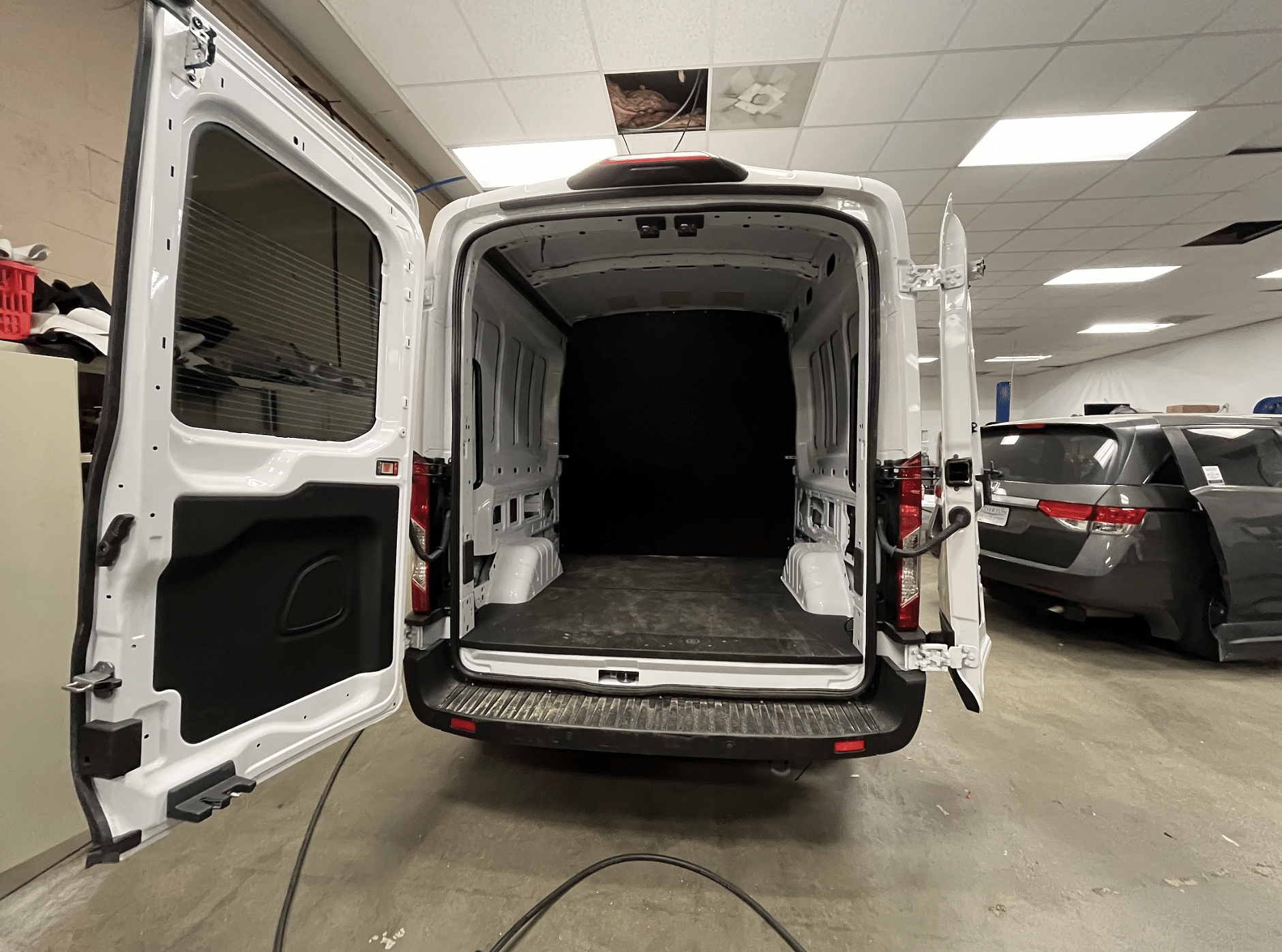
1. Salt air corrosion is your biggest long-term threat, and it never stops. The Lowcountry's coastal air deposits salt on your van every day, year-round, not just near the water. Regular undercarriage washing and a protective coating every three to six months are the two highest-impact habits you can build.
2. Heat and humidity demand more from your fluids and your A/C than most climates do. Checking oil and coolant monthly and scheduling an A/C inspection before peak summer heat aren't optional here. They're the difference between a van that finishes the day and one that doesn't.
3. In this business, maintenance is an uptime strategy. The coastal environment does not forgive deferred service the way inland climates sometimes do. Every skipped interval puts your schedule, your reputation, and your bottom line at risk. Fleets that stay road-ready in Charleston treat maintenance as a business discipline, and their uptime shows it.
Charleston's coastal geography combines threats that inland markets simply don't face. Salt travels well inland across the Lowcountry, settling on metal surfaces and accelerating corrosion at job sites throughout the region — not just near the waterfront.
Summer heat indices push past 100°F, and high humidity accelerates every form of mechanical wear. The result demands a more aggressive maintenance approach than most van manufacturers build their standard service intervals around.
In a coastal environment, the real damage starts where you can't see it. Salt acts as an electrolyte, driving corrosion up to ten times faster than in non-coastal conditions. The undercarriage is the highest-risk zone: frame rails, brake lines, suspension mounts, and wheel wells trap moisture and salt long after the van is parked. Catching surface rust before it reaches structural components is the difference between a wire brush and a body shop bill.
A work van in North Charleston in July faces thermal stress that most maintenance schedules don't account for. Heat breaks down every fluid faster: oil oxidizes, coolant degrades, and brake fluid absorbs moisture, lowering its boiling point and reducing stopping performance. Transmission fluid takes a beating in stop-and-go traffic on Rivers Avenue and I-26, yet it remains one of the most overlooked items on any checklist.
Shortening fluid inspection intervals in summer is the simplest way to prevent breakdowns during your busiest season.
A failing A/C in a Charleston summer is a safety concern, not a comfort issue. The CDC links prolonged heat exposure to reduced cognitive function and slower reaction times, which matters for any technician running routes in Goose Creek, Hanahan, and Mount Pleasant on a 95-degree afternoon. Coastal humidity causes formicary corrosion on evaporator coils, forming pinhole leaks in copper tubing that rob cooling capacity before any warning signs appear.
An annual pre-summer A/C inspection and regular cabin air filter changes prevent the mid-season failure that pulls a van out of rotation at the worst possible time.
The components most critical to safety are also the most exposed to salt air and road moisture. Brake lines corrode from the outside in, thinning gradually until the line can no longer hold pressure under hard braking, a failure mode that rarely announces itself in advance.
Suspension mounts and ball joints are equally vulnerable, and a van loaded with 500 to 800 pounds of equipment puts far more stress on corroded components than an empty vehicle would. Tire pressure rises roughly one PSI per 10-degree temperature increase, making a morning check before driving a far more accurate read than one taken mid-route.
In the Lowcountry, the difference between a thorough wash and a surface rinse can show up as rust within months. The undercarriage, wheel wells, and body seams retain salt and moisture long after the exterior dries, requiring dedicated pressure washer attention rather than a drive-through rinse. Exposed metal from paint chips oxidizes within days in a salt-air environment, making touch-up paint and a rust-inhibiting primer practical maintenance tools, not just cosmetic fixes.
A wax or sealant applied every three to six months adds a protective barrier, providing longer-lasting protection for the components with the most daily exposure.
Here's a quick note about protecting your undercarriage that some might miss: if you use a rubberized undercoating, inspect it regularly. Rubberized coatings provide real protection when fresh and intact, but once they start to crack in the Lowcountry's heat and humidity, those cracks trap salt and moisture against the metal — accelerating the very rust they were meant to prevent. Reapply before the seal breaks down, or ask about professional-grade oil-based alternatives that hold up better in high-humidity coastal conditions.
A routine self-inspection covers the basics, but a coastal work van periodically needs attention from a technician who can see what daily drivers miss. Salt-driven corrosion on brake lines, fuel lines, and frame components is rarely visible without a lift, and the consequences of missing it go well beyond a standard mechanical inconvenience. A trained eye during a professional service visit identifies early-stage corrosion and flags compromised components before they become safety hazards or the kind of structural repairs that pull a van off the road for days.
For fleet operators running routes across North Charleston, Summerville, and Goose Creek, the cost of a regular service visit is almost always less than the cost of a single unplanned breakdown.
The most effective service schedule for a coastal work van is both mileage-based and season-aware. An A/C inspection and full fluid service before summer, ideally in April or May, lets a technician catch formicary corrosion on evaporator coils and address fluid degradation before peak heat accelerates the damage. A pre-storm-season check in late May or early June should cover brake lines, suspension components, and undercarriage condition, since hurricane season runs straight through the most demanding months on the road.
A post-summer inspection in October or November is the right time for a full undercarriage assessment and any rust treatment, catching what the heat season left behind before it compounds quietly through fall.Hurricane season in South Carolina runs from June through November, overlapping almost entirely with the hottest and most demanding months for any work van on the road. Pre-storm preparation should include a fluid top-off, a tire pressure check, and a cargo inspection to make sure nothing loose in the van becomes a hazard in transit, but the more overlooked priority is what happens immediately after the storm passes. Floodwaters in low-lying areas around Goose Creek, Hanahan, and the North Charleston corridor carry salt, debris, and chemical runoff that coat the undercarriage and electrical components with a corrosive film that standard post-storm cleaning often misses entirely.
A thorough undercarriage rinse and a check for moisture intrusion in the cargo area and cab after any major weather event is one of the fastest and least expensive ways to stop slow-building corrosion before it compounds into a serious repair.
Build your maintenance habits before the environment forces your hand. Coastal van maintenance is cumulative in both directions: consistent care compounds into a longer-lasting, higher-value vehicle, and neglect compounds just as quietly.
It tends to reveal itself at the least convenient moment, midway through a full day in Summerville or on the way to a job in Mount Pleasant. The operators who get the most out of their vans here aren't necessarily the ones with the newest vehicles. They're the ones who treat their van like the revenue-generating asset it actually is.
That discipline starts with having the right van and the right setup inside it. At Charleston Work Vans, we specialize in upfitting commercial vehicles for the specific demands of Lowcountry trades, and we've spent over a decade serving contractors and fleet operators across North Charleston, Goose Creek, Hanahan, Summerville, and Mount Pleasant.
Stop by and see what a properly upfitted work van can do for your operation. We're at 8550 Rivers Ave., N. Charleston, SC 29406, open Monday through Friday, 8 AM to 5 PM. Call us at 843-576-0417.
Coastal van ownership comes with questions that standard maintenance guides rarely answer well. Here are the most common concerns we hear from fleet operators and tradespeople across the Lowcountry.
Salt acts as an electrolyte, accelerating oxidation up to ten times faster than non-coastal environments. It penetrates paint chips, seams, and the undercarriage, attacking brake lines and frame rails long before visible rust appears.
Every two weeks minimum, with a dedicated pressure washer rinse on the undercarriage rather than a standard drive-through wash. After any coastal job, storm, or heavy rain, rinse the same day before salt bonds to metal surfaces.
Engine oil, coolant, brake fluid, and transmission fluid all degrade faster in Lowcountry heat and humidity than standard intervals account for. Brake fluid is the most overlooked: it absorbs moisture in humid conditions, lowering its boiling point and reducing stopping performance.
Watch for reduced cooling with no obvious cause, often the result of formicary corrosion creating pinhole leaks in the evaporator coil. A faint hissing from the dash or inconsistent airflow on full blast are both signs worth inspecting promptly.
The undercarriage first: brake lines, frame rails, wheel wells, and suspension mounts trap salt-laden moisture and rarely dry completely. Electrical connections, door hinges, and body seams are the next most vulnerable, especially on vans running daily routes across North Charleston and Goose Creek.
Top off fluids, check tire pressure, and secure the cargo area before the storm. Afterward, rinse the undercarriage immediately since floodwaters around Hanahan, Goose Creek, and North Charleston carry salt and chemical runoff that accelerate corrosion fast.
Charleston Work Vans, 8550 Rivers Ave., N. Charleston, SC 29406, specializes in commercial upfitting and van services for Lowcountry fleet operators. We serve Summerville, Goose Creek, Hanahan, and Mount Pleasant. Call 843-576-0417, Monday through Friday, 8 AM to 5 PM.